For twenty years I've co-run a design strategy consultancy, working with senior design leaders inside large companies. The job was solving their problems. The education that came with it was watching, year after year, what senior executives buy, what they cut, and why. Over the past few years I watched the standing budgets for outside expertise disappear, almost overnight. Not because the problems got solved. Companies changed how they buy help: standing spend went first, then headcount, and what replaces both is smaller and more targeted.
So I started asking the question my clients were about to face: if I were in their seat, what would I do? The need for senior judgment hasn't gone away. What's gone away is the full-time job. The demand is still out there. It has taken other shapes.
And the longer I sat with that, the less it looked like a design story. The same restructuring is reaching senior people in every profession, the expertise intact, the footing gone. A whole generation is arriving at the same question at the same time, most of them alone with it. Evaluating the new shapes against your own runway, your own network, and your own tolerance for the work around the work is a framework nobody hands anyone.
I've spent twenty years on the other side of that machinery: finding buyers, positioning what's on offer, pricing it, keeping a pipeline alive. CompoundCraft is that curriculum, plus the market evidence I wished my clients had, built into a platform.
Why a platform
Because the moment is bigger than any calendar I could offer it. Coaching serves one person at a time, but most people at this moment don't need someone in the room. They need an honest read on their situation, real evidence about the paths, a method for testing them, and peers working the same question. Those things can be built once and be there for everyone who arrives, whenever they arrive. That's what the platform is.
Who stands behind it
Nothing here is generated and shipped. The philosophy of the platform is evidence over assertion: the market guidance is built from sources you'd trust on their own terms, public data, published research, and the accounts of people actually doing the work, and where the evidence is thin, the platform says so instead of smoothing it over. Resources make the catalog by being worth your time, not by existing. And every piece of guidance published so far has passed through one review: mine.
Which raises a fair question: what do I know? Twenty years of running an independent practice, doing the work around the work every week, and writing about it in the open. My newsletter, The Sustainable Practice, is where my reasoning lives in public. If you want to judge the thinking behind this platform, you can watch it think first.
Over time, the guidance will carry more names than mine. Until then, you know exactly who is accountable for what you read here. I don't promise a destination. The goal was never independence for its own sake. It's choices.
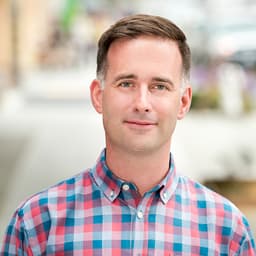
One more thing, since some readers arrive already decided. If you know you're going independent and want to build the practice one-on-one, I coach a small number of people directly at gregobaker.com. CompoundCraft is for the earlier moment, when the direction is still open.
CompoundCraft is built for the moment you're in the middle of: weighing what comes next before anything is decided. The assessment is how it starts.
Take the assessment→